
Sippy Downs, Sunshine Coast
Taking a Sippy Downs house past its builder finish.
This isn't a heritage suburb or a premium one. The high end work here is owners deciding their house should feel better than it was built.
- Since 1985
- /Family-run, locally owned
- /Fully insured
- /Dulux + Taubmans accredited
- /Lead & asbestos qualified
Local context
What this work looks like in Sippy Downs.
We'll be straight about Sippy Downs. It's the Coast's main rental-turnover suburb, built around the university, and most of what we do here is fast between-tenancy work. The high end jobs are the exception: owner-occupiers who bought a standard project home and want it to stop feeling like one. That work is real, but it's a different kind of premium. It's not restoration. It's taking a builder-grade interior and putting the level of finish into it that the original budget didn't allow.
What we watch for
Conditions that change the job here.
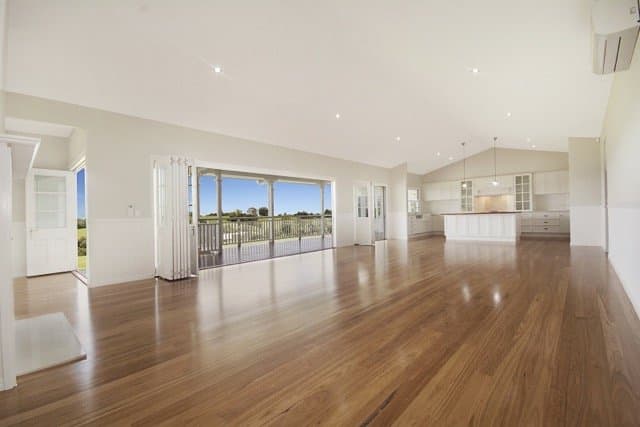
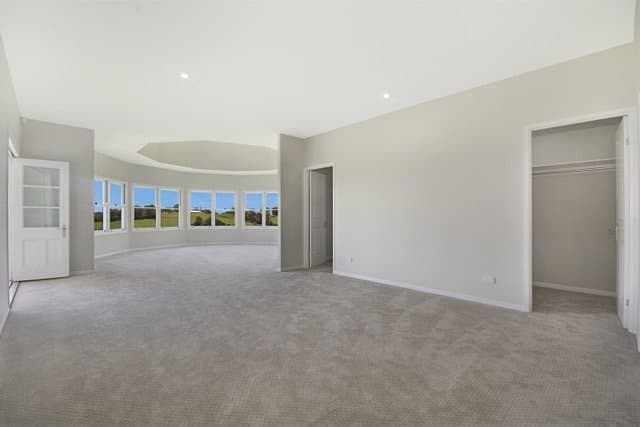
Project-home interiors in this suburb share the same weak points. Cornice junctions were run fast and often need refilling before they'll take a clean line. Trim work is builder-grade pine with visible nail holes and open mitres, so a premium finish means filling and sanding every one of them before the first coat. Wall sheeting joins telegraph through under raking light, which shows up badly in the open-plan living rooms these houses all have. We spot-prime and skim those before topcoat rather than hoping the paint hides them.
How it runs
What to expect.
Walk us through the rooms and tell us what bothers you about them. Nine times out of ten it is the trim and the cornice line rather than the colour, and we will say so. The quote separates the filling and sanding from the painting, so you can see exactly what the premium finish is buying. Expect a full day or more of preparation before any topcoat goes on, with nothing much to look at while it happens. That day is the entire difference between this and a standard repaint.
Usually included
- Filling and sanding builder-grade trim before a premium finish goes on
- Refilling and recutting cornice junctions for a clean line
- Skimming telegraphed sheet joins in open-plan living areas
- Full interior colour changes with proper coverage over builder white
Premium on a project home
What makes a room feel cheap is rarely the colour.
The trim gives it away
Builder-grade pine with visible nail holes and open mitres. Filling and sanding every one of them before the first coat is most of what separates this from a standard repaint.
Cornice lines were run fast
Junctions in these houses often need refilling before they will take a clean cut. Once that line is straight the same room reads completely differently, with no colour change at all.
Sheet joins telegraph
Wall sheeting joins show under raking light, which is exactly what happens in the open-plan living rooms these houses all have. We skim and spot-prime them rather than hoping paint hides it.
Where the premium goes
A full day of preparation with nothing to look at.
01
Tell us what bothers you.
Walk us through the rooms. Nine times out of ten it is the trim and the cornice line rather than the colour, and we will say so rather than sell you a repaint.

02
Split the quote.
Filling and sanding on one line, painting on another. You should be able to see exactly what the premium finish is buying before you agree to it.
03
Fill every hole and mitre.
Nail holes filled, open mitres reworked, trim sanded back properly. This is the day with nothing to show for it, and it makes the whole difference.
04
Skim what shows.
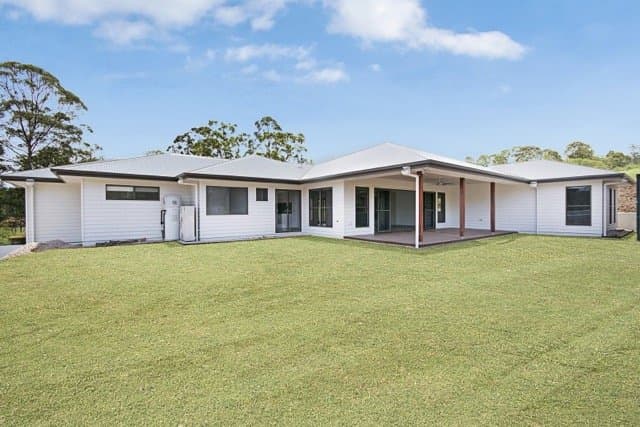
Telegraphed sheet joins get skimmed and spot-primed. Under afternoon light across an open-plan wall, that is the flaw people notice without being able to name it.

05
Cut every line by hand.
No tape shortcuts on the finish coats. Hand-cut at the cornice, the skirting and every architrave, which is the last of the gap between this and a rental turnaround.
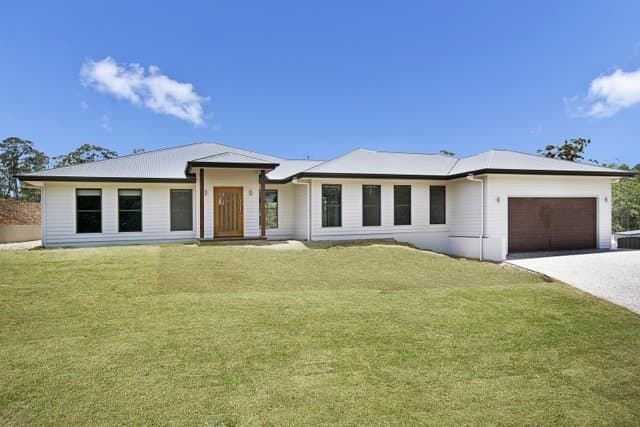
Work in Sippy Downs
View all projects →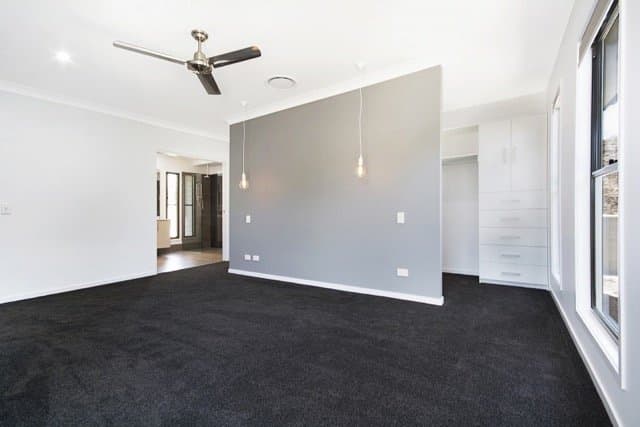
Common questions
What people ask before booking.
Is high end painting even worth it on a project home?
It can be, and the difference is bigger than people expect. Most of what makes a room feel cheap is the trim and the cornice line, not the wall colour. Fix those properly and the same house reads completely differently. We’ll tell you honestly if a particular job isn’t worth the spend.
What actually changes compared to a standard repaint?
Time. A standard repaint puts two coats on what’s there. A premium job fills every nail hole, reworks the open mitres in the trim, skims the sheet joins that show under side light, and cuts every line by hand. Same paint, three times the preparation.
Do you also do the rental work in this suburb?
Yes, and it’s most of what we do here. Between-tenancy turnarounds around the late-January re-let window are a big part of our year in Sippy Downs. Those are quoted differently, on speed and durability rather than finish level.