
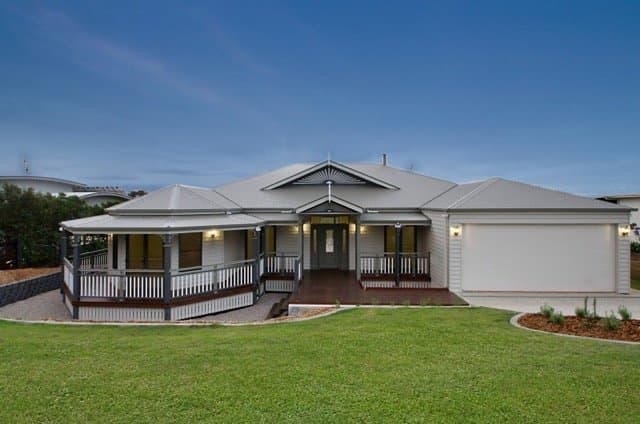
Maleny, Sunshine Coast
Heritage Queenslander painting in Maleny.
Houses that have been in the same families for three generations. Slower work, more prep, and colours that suit the era.
- Since 1985
- /Family-run, locally owned
- /Fully insured
- /Dulux + Taubmans accredited
- /Lead & asbestos qualified
Local context
What this work looks like in Maleny.
Maleny is where our high end work looks least like modern painting. Up on the Blackall Range a lot of these Queenslanders have been in one family for two or three generations, and the owners care about what was there originally more than what's current. That changes the job. Colour conversations here run to what the house was first painted rather than what's selling this year, and the prep list is longer than the paint list. Nobody up here is in a hurry, which suits how this work has to be done.
What we watch for
Conditions that change the job here.
Pre-1970 weatherboard in Maleny almost always carries lead in the lower paint layers. We test before any sanding starts and work to the lead-safe method, which means containment sheeting and wet sanding rather than a disc and a dust mask. Tongue-and-groove lining and bullnose verandah boards need hand sanding, because a machine flattens the profile that makes the verandah look right. Range weather is wetter and cooler than the coast, so coats take longer to cure and we plan fewer wet days into the schedule.
How it runs
What to expect.
These jobs usually start with an hour on site rather than fifteen minutes. We look at the timber, check where original colour might have survived, and talk about what you want kept. Lead testing happens before anything else, and if it comes back positive the containment setup goes up before a single board is sanded. Expect the prep phase to run longer than the painting phase, often twice as long. We would rather show you the timeline honestly at the start than have you wonder why week two still looks like week one.
Usually included
- Lead testing and lead-safe removal on pre-1970 weatherboard
- Hand prep on tongue-and-groove lining and bullnose verandah boards
- Traditional colour work, matched to the era of the house
- Full exterior restoration including gable detail and turned balustrades
Where restoration differs
The prep list is longer than the paint list.
Lead comes first
Pre-1970 weatherboard up here almost always carries lead in the lower layers. Containment sheeting, wet sanding, collected waste. It is the main reason a heritage quote sits above a standard repaint.
Machines flatten the detail
Bullnose verandah boards, tongue-and-groove lining and turned balustrades all get sanded by hand. A disc rounds off exactly the profile that makes the verandah worth having.
The colour is already there
Original paint often survives under an architrave, inside a cupboard, or on the sheltered side of a verandah post. We go looking before anyone opens a fan deck.
How a Queenslander runs
Expect the prep phase to run twice the painting.
01
An hour on site, not fifteen minutes.
We look at the timber, check where original colour might have survived, and talk about what you want kept. That conversation shapes everything after it.

02
Lead testing comes first.
Before anything is disturbed. If it comes back positive the containment goes up before a single board is touched, and that setup is part of the quote rather than an extra.
03
Hand sand the detail.
Verandah boards, gable brackets and balustrades by hand. There is no fast version of this, so we quote the hours honestly rather than finding them halfway through.

04
Match the era, not the year.
Colour work runs to what the house was first painted rather than what is selling this season. Dulux and Taubmans both hold heritage ranges that cover most of what we find.
05
Cure on range time.
The range is wetter and cooler than the coast, so coats take longer to go off. We plan wet days into the schedule instead of pretending they will not arrive.

Common questions
What people ask before booking.
How do you handle lead paint on a Maleny Queenslander?
We test first, then work to the lead-safe method. That means sheeting the ground, wet sanding instead of dry, collecting the waste, and keeping the site closed while we work. We’re qualified for it. On a house this old it’s not optional, and it’s the main reason a heritage quote sits above a standard repaint.
Can you match the original colours on an old hinterland house?
Usually we can get very close. Original colour often survives under a door architrave, inside a cupboard, or on the protected side of a verandah post. We’ll go looking for it before we start guessing. Dulux and Taubmans both hold heritage ranges that cover most of what we find.
Why does verandah work take so long?
Bullnose boards, turned balustrades and gable brackets all have to be sanded by hand. Run a machine over them and you round off the detail that makes the verandah worth having. There’s no fast version of it, so we quote the hours honestly rather than discovering them halfway through.