
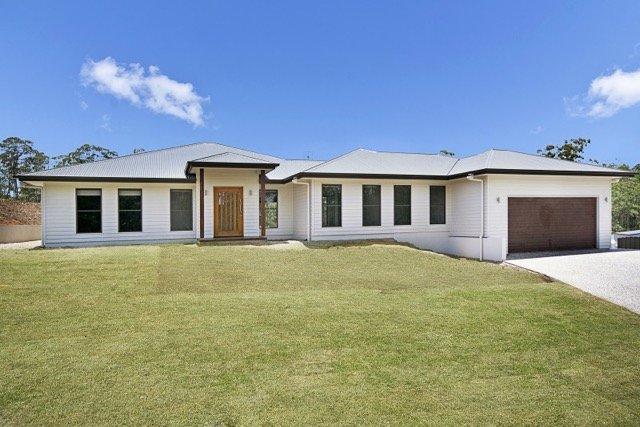
Chevallum, Sunshine Coast
Exterior painting in Chevallum, where the wall has to be dry first.
Flat rural blocks with Eudlo Creek running through them. Paint only lasts here if it goes onto a dry wall, so we check before we start, not after it blisters.
- Since 1985
- /Family-run, locally owned
- /Fully insured
- /Dulux + Taubmans accredited
- /Lead & asbestos qualified
Local context
What this work looks like in Chevallum.
The name Chevallum is thought to come from an Aboriginal word for a flat place, and that fits. The locality sits between the Bruce Highway and Eudlo Creek, and the creek runs right through it. Flat ground near water holds moisture, and timber walls take it up after rain and heavy dew. Paint over damp timber and the sun turns that water to vapour, which pushes the new coat up into blisters. So on a Chevallum exterior, the most useful tool we bring isn't a brush. It's a moisture meter.
What we watch for
Conditions that change the job here.
Dulux's trade advice gives a hard number: bare timber with a moisture content above 15 percent isn't fit to paint and has to dry out first. On a Chevallum house that matters most on the low walls, the south side and anything under trees, which can stay damp long after the rest of the house has dried. Weatherboards facing north or west are where Dulux says blistering is often worst, because that's where the sun heats the wall hardest. Morning dew on flat ground near the creek can sit on the walls until the sun reaches them. Homes here are big too. At the 2021 Census, 56.4 percent had four or more bedrooms, so there's a lot of wall to check, and we check all of it.
How it runs
What to expect.
At the quote visit we walk every side and take moisture readings on the timber, low walls and shaded corners first. If a wall reads wet, we tell you, and we find out why: a blocked gutter, a garden bed piled against the boards, or just shade. Some of that is worth fixing before any paint goes on. The quote lists each wall, the trims and any fixes as separate lines, with a start date. On the job, each morning starts with a fresh reading on the walls we plan to coat that day. If the timber is still damp from the dew, we start on a side the sun has already dried. On the Coast, Bureau of Meteorology records show July to October is the driest stretch, so a fussy house is easier to book then.
Usually included
- Moisture readings on the timber before we quote and again before each coat
- Low, shaded and creek-side walls given time to dry out first
- Blocked gutters and garden beds against the boards pointed out at the quote
- North and west weatherboards checked closely for old blisters
- Two coats over prep that went onto a dry surface
The flat place by the creek
Dry timber is the whole job in Chevallum.
Read the wall first
We take moisture readings before we quote and before each coat. Dulux says bare timber over 15 percent moisture has to dry out before it’s painted, and we hold to that.
Find out why it's wet
A wall that reads damp usually has a reason. Shade, a garden bed piled against the boards or a blocked gutter can keep timber wet. We point it out so it gets fixed before the paint goes on.
Paint the dry side first
Flat ground by Eudlo Creek can hold the morning dew. We start each day on the walls the sun has already dried and come back to the shaded ones once they test dry.
How a Chevallum repaint runs
Test it, dry it, then paint it.
01
Take readings on every side.
At the quote visit we check the timber, the low walls and the shaded corners with a moisture meter. The written quote lists each wall, any fixes, and a start date.
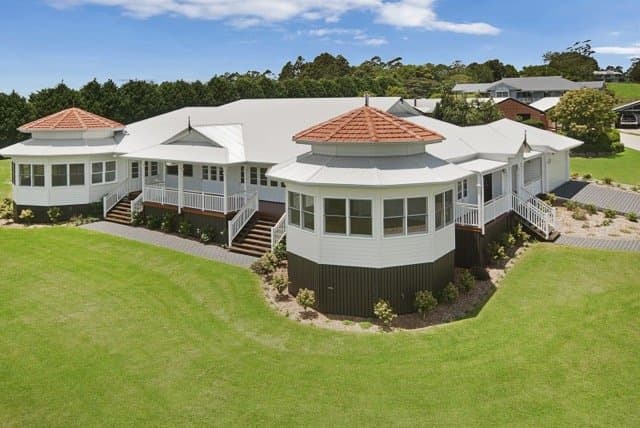
02
Wash, then wait for dry.
Walls are washed, and mould on shaded boards is treated. Then the timber gets time in the sun, and we test it again before anyone picks up a scraper.
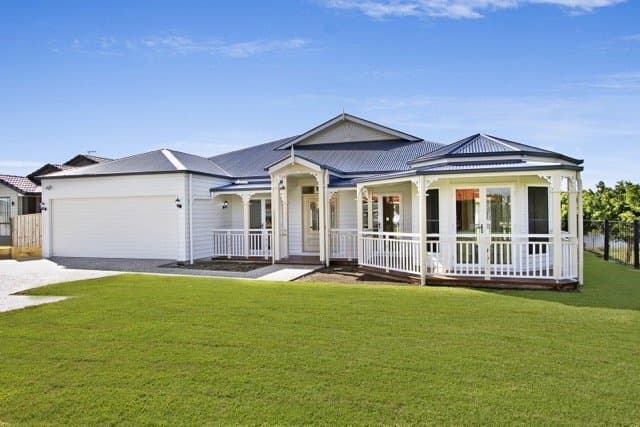
03
Cut back the old blisters.
Bubbled and flaking paint is cut back to sound edges and sanded smooth. Bare timber is primed once it reads dry, and gaps are filled so water can’t get in behind.
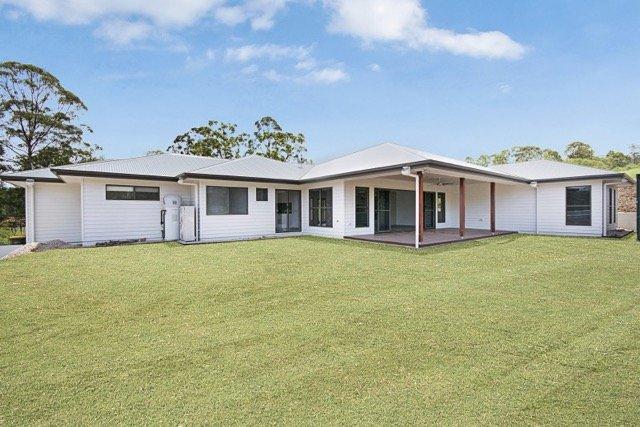
04
Coat only what tests dry.
Each morning starts with a reading on the walls we plan to coat. Two coats go on, sunny side first, and we finish early enough for the last one to dry before dew.
For agents and property managers
Chevallum houses headed for a sale.
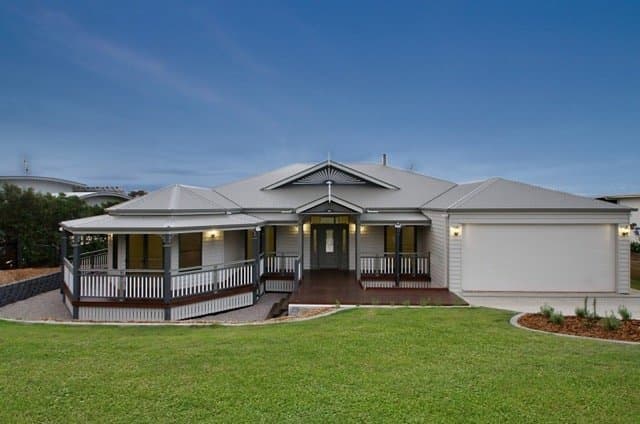
At the 2021 Census only 14.1 percent of Chevallum homes were rented, so most agent work here is a house being readied for sale. Send us the listing date and we’ll plan back from it. If the paint is blistering on the street side, we can do that side first so it’s ready for the photos.
Common questions
What people ask before booking.
Why is the paint bubbling on our Chevallum weatherboards?
Usually it’s water. When paint goes onto timber that’s still damp, the sun later heats the wall and turns that moisture into vapour. It can’t get out, so it pushes the paint up into bubbles. Dulux says it’s often worst on weatherboards facing north or west. We cut the bubbles back, let the timber dry and test it before it’s painted again.
What does a moisture meter tell you that looking at the wall doesn't?
Whether the timber is dry inside, not just on the face. A wall can look dry by mid-morning and still hold water in the boards. Dulux’s trade advice says bare timber over 15 percent moisture isn’t fit to paint. A quick reading tells us if a wall is ready today or needs another day of sun.
Our walls near the creek always look damp. Can they still be painted?
Most can, once we know why they’re damp. Shade, a garden bed against the boards or an overflowing gutter are the usual causes, and some are easy to fix before we paint. We take readings at the quote and tell you what we find. If a wall needs a few dry days first, we plan the job so it’s painted last.
When is the best time of year to paint a house in Chevallum?
July to October is the easiest. Bureau of Meteorology records for the Coast show that’s the driest four-month run, with fewer rain days. Walls dry out faster between showers, so fewer days are lost waiting. Any month can work if the walls test dry, but a house with damp corners is simpler to book in the dry season.
How much does a big Chevallum exterior cost?
As a guide, a mixed full exterior sits around $9,000 to $22,000, and a weatherboard exterior around $10,000 to $25,000 on one storey or $12,000 to $35,000 on two. Eaves, fascias and gutters on their own run $1,500 to $4,500. Blistered timber that needs cutting back adds to the prep. Our house painting cost guide explains what else moves the price.